When choosing a wood-burning stove, we usually focus on its design, heat output or materials. However, there is another detail that can make a significant difference to the final installation at home: the position of the flue outlet. In small living rooms, loft spaces or rooms where every centimetre counts, a wood-burning stove with a rear flue outlet can make all the difference.
In this article, we explain how it works, its main advantages and the different material options available to help you make the right choice.
What is a Freestanding Stove with a rear flue outlet?
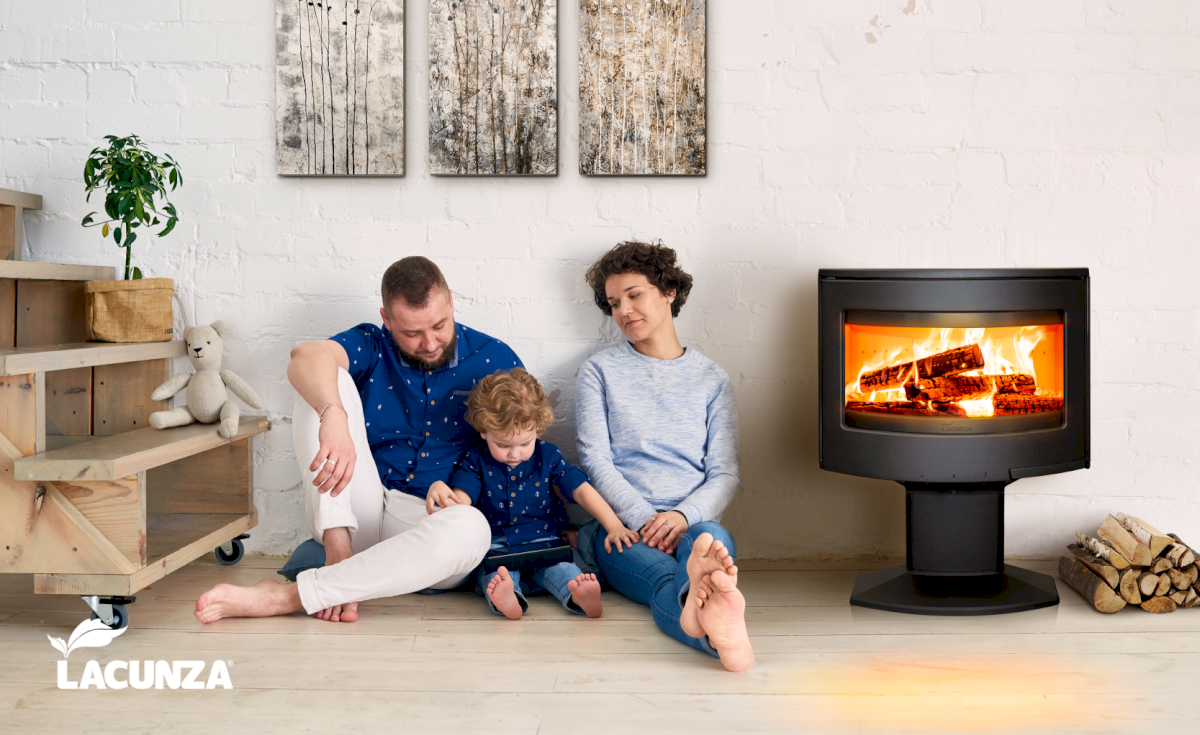
It is a stove whose flue pipe connects to the rear of the appliance rather than the top. The pipe runs horizontally towards the wall or existing masonry flue, without the need for an initial vertical pipe section above the stove.
Wood-burning Freestanding Stoves with a rear flue outlet are particularly useful in the following situations:
- Small spaces: the stove can be positioned closer to the wall, making better use of the remaining living space.
- Low ceilings: less vertical clearance is required for the initial section of the flue pipe.
- Existing chimney installations: if you already have a masonry flue or a wall outlet, a rear connection can simplify the installation.
- A clean, minimalist look: less visible pipework in the living room, something many users appreciate.
For the flue to work properly, the pipe route should be as short and straight as possible, with the correct gradient and always under the supervision of a professional installer.
Cast iron or steel: which material should you choose?
If you are considering a cast-iron wood-burning stove or a steel wood-burning stove, it is worth understanding what each material has to offer.
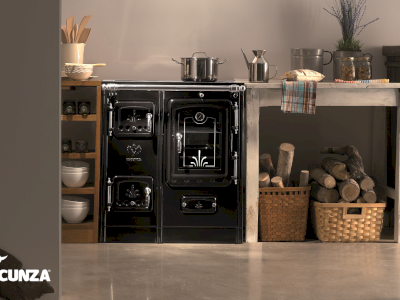
Cast-iron stoves stand out for their thermal inertia: they take a little longer to heat up, but they accumulate heat and release it over a longer period, even after the fire has died down. They are a popular choice for those looking for steady warmth and a classic appearance. This category includes models such as the Bidart, the Tarbes with its curved glass, the traditional-style Levante and the León.
Steel stoves, on the other hand, heat up more quickly and generally feature more contemporary lines. They respond rapidly when you want to warm up a room in a short time, making steel wood-burning stoves a good choice for homes used intermittently or as second residences. Our steel options include the Calpe with its large glass panel; the Altea, featuring an integrated cooking oven; the panoramic double-glazed Verona 800; and the Baiona 700 Star, with its extra-thick door.
And if you don't want to choose between the two materials, there are hybrid solutions such as the Martina, which combines a steel body with a polished cast-iron cooking plate.
Neither material is better in absolute terms: it all depends on how you intend to use your stove.
Vermiculite in Freestanding Stoves: the insulating material that makes the difference
If you have ever looked inside a stove, you will probably have noticed light-coloured panels lining the combustion chamber. These are often made of vermiculite, a refractory mineral widely used in this type of appliance.
Vermiculite plays several important roles in wood-burning Freestanding Stoves. Its main benefits include:
- It withstands high temperatures without deteriorating, protecting the metal structure.
- It insulates and retains heat inside the combustion chamber.
- It improves efficiency: by keeping the interior hot, the firewood burns more effectively and energy is used more efficiently.
- It reduces thermal stress on the stove walls, helping to extend its service life.
This is why vermiculite is an essential component in both steel and cast-iron wood-burning stoves. As it wears over time, it should be checked regularly and any panels showing significant cracks or damage should be replaced. Most LACUNZA Freestanding Stoves, both steel and cast-iron models, come with a vermiculite-lined combustion chamber as standard.
Frequently asked questions about wood-burning Freestanding Stoves
How often should I clean the flue pipe?
We recommend inspecting and cleaning it at least once a year, and more frequently if you use your stove every day. A clean flue improves draught, prevents soot build-up and reduces the risk of fire.
What is the best firewood for my stove?
Always use dry firewood, with a moisture content below 20%, preferably hardwoods such as holm oak, oak or beech. Wet wood produces more smoke, dirties the glass and flue pipe, and reduces stove efficiency.
Save space and enjoy warmth with a rear-outlet Freestanding Stove
Choosing a wood-burning stove is not just a matter of aesthetics: it also affects how the appliance fits into your living space. A rear flue outlet is a practical, neat solution that helps you make the most of your available space and keep your living room uncluttered, without giving up the warmth of a wood fire.
Would you like to explore all the available options? Discover our selection of Freestanding Stoves with rear flue outlets or contact us to find the model that best suits your home.